Buying luxury waterfront in Jacksonville can feel exciting right up until the details start piling up. A beautiful view is only part of the story, and if you are spending at the top of the market, you need to understand how water type, dock rights, flood exposure, and insurance can affect both your lifestyle and your long-term value. The good news is that with the right strategy, you can sort through the complexity and buy with confidence. Let’s dive in.
Start With Water Type
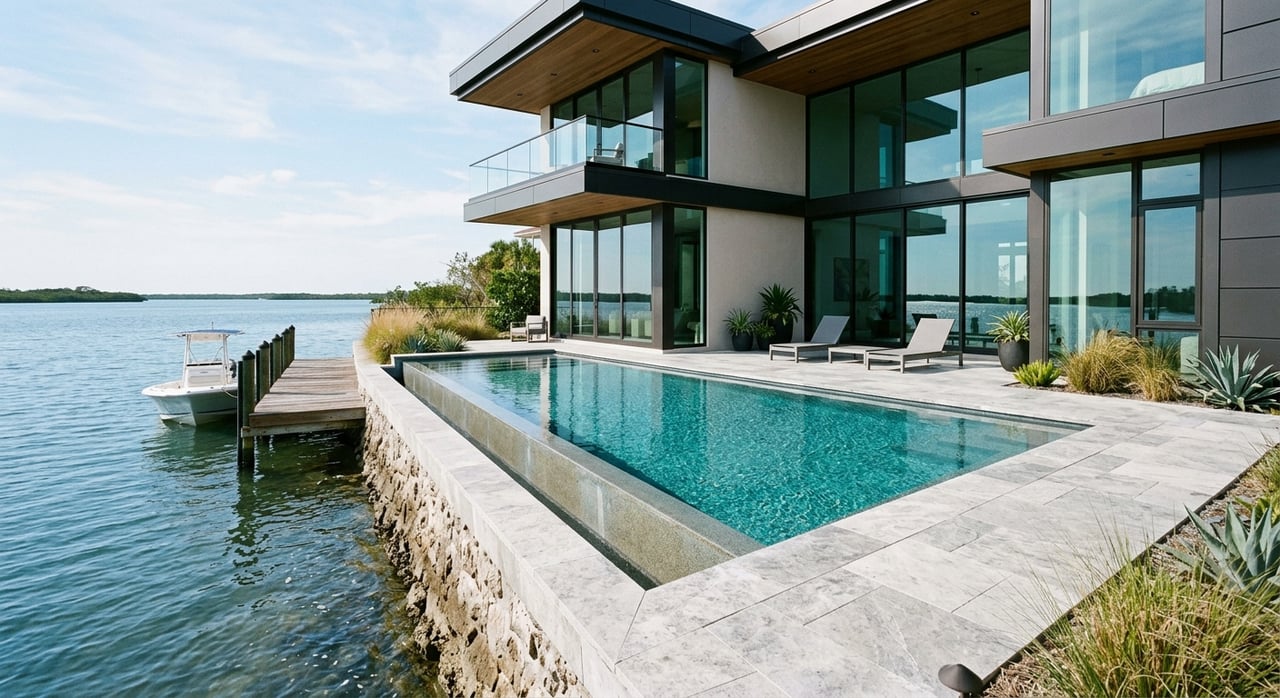
In Jacksonville, not all waterfront properties offer the same ownership experience. Buyers are often choosing between riverfront homes along the St. Johns River, intracoastal or working-waterfront settings near Mayport, and direct oceanfront homes in the beach communities.
That first choice matters more than many buyers expect. According to Visit Jacksonville’s overview of the St. Johns River, the river is one of the area’s defining amenities, while the coastal areas offer a very different Atlantic-facing lifestyle.
Riverfront vs. Oceanfront
Riverfront homes often appeal to buyers who want navigable water access, broad views, and a more sheltered setting than direct beach exposure. In many cases, riverfront ownership can feel more boating-oriented and less exposed to constant surf and shoreline pressure.
Oceanfront homes in Jacksonville Beach, Atlantic Beach, and nearby coastal areas offer direct beach access and a classic coastal luxury feel. At the same time, ocean-facing property usually brings more wave action, erosion pressure, and storm exposure, which can influence maintenance, insurance, and resale.
Why This Choice Affects Resale
Waterfront is not a single resale category. Research published through Taylor & Francis suggests waterfront premiums are real, but they vary by water type and by how buyers perceive risk.
That means two homes with similar price points can perform very differently over time. A direct oceanfront home may carry a stronger prestige premium, while a riverfront property may appeal to buyers seeking easier boating access or a potentially different insurance profile.
Treat the Dock Like Part of the Asset
For many luxury buyers, the dock is not just a bonus feature. It is part of the property’s real utility, and in some cases, part of what supports the home’s value.
The Florida Department of Environmental Protection explains that sovereignty submerged lands include tidal lands and lands waterward of the mean high-water line. That matters because a dock may involve state-owned submerged lands, and permission may be required for certain uses or improvements.
Verify Dock Legality and Permits
When you evaluate a waterfront home, make sure you confirm:
- Whether the dock is legal and permitted
- Whether any repairs or additions were properly approved
- Whether a boat lift was installed through the right process
- Whether rights connected to the dock are transferable
- Whether the waterward area is private, leased, or state-controlled
Florida DEP’s ERP e-permitting guidance notes that dock projects can trigger environmental permitting or self-certification requirements. In practical terms, you want more than a dock that looks good. You want one that has been handled correctly.
Ask Practical Boating Questions
A luxury waterfront purchase should also include practical questions about day-to-day use. These details affect not only your enjoyment, but also carrying costs and future resale appeal.
Important questions include:
- Is there enough water depth at low tide?
- Does the lift fit your vessel?
- Is there a seawall or bulkhead protecting the shoreline?
- Would dredging be needed for your boating plans?
- Are there any association or marina restrictions that affect boat storage or use?
If the property promises a boating lifestyle, those answers should be clear before you commit.
Check Flood Zone Early
One of the smartest early steps is to check the property address through FEMA’s Flood Map Service Center. FEMA identifies this as the official public source for flood-hazard information, and it is a critical tool for understanding both lender requirements and ownership risk.
Just as important, FEMA notes there is no true no-risk zone. Even homes outside the highest-risk areas can still face flood exposure and may still qualify for flood insurance.
Pay Close Attention to Coastal Hazard Areas
For direct coastal homes, look carefully at whether the property falls in Zone VE. FEMA describes Zone VE as a coastal high-hazard area where wave action and fast-moving water can cause extensive damage during a base-flood event.
This is especially relevant for exposed oceanfront and some beach-adjacent properties. If you are comparing a riverfront home to an oceanfront home, this is one of the places where the risk profile can materially diverge.
Flood Zone and Evacuation Zone Are Different
Many buyers assume flood zone tells the whole story, but it does not. The research report notes that Jacksonville buyers should also use the city’s evacuation-zone tools by address because evacuation zone, flood zone, and insurance requirements are related but not identical.
That distinction matters during storm season and during your due diligence. A home can be manageable from one risk standpoint and more sensitive from another.
Understand the Insurance Structure
Insurance is often where luxury waterfront buyers get surprised. Florida’s Homeowners Insurance Toolkit explains that most homeowners policies do not cover flood damage, while windstorm or hurricane coverage is generally part of a homeowners policy unless excluded in writing.
In some cases, separate windstorm coverage may be needed. That means you should not think of insurance as one number. It may be a layered structure that includes homeowners, flood, and possibly additional wind-related coverage.
Quote Insurance Before You Finalize the Deal
If you wait until the end of escrow to review insurance, you may be creating unnecessary risk. The same Florida consumer guidance notes that NFIP flood policies usually carry a 30-day waiting period unless purchased at the same time as a home purchase or refinance.
That is why insurance review belongs early in the process. Before you make or finalize an offer, you should understand the likely cost of flood coverage, wind-related coverage, and any conditions that might affect insurability.
Two Similar Homes Can Have Very Different Premiums
FEMA states that Risk Rating 2.0 uses property-specific risk characteristics to determine flood insurance pricing. In other words, two homes in the same general waterfront area may still have very different premiums.
Factors like elevation, distance to water, and foundation type can affect pricing. For luxury buyers, that makes address-level review far more important than relying on broad neighborhood assumptions.
Look at Jacksonville’s Local Flood Context
Jacksonville’s local floodplain program can also affect ownership costs. City materials referenced in the research report state that Jacksonville has achieved a Class 6 Community Rating System score, and FEMA explains that CRS participation can provide flood-insurance discounts for eligible properties.
That said, buyers should not assume every home receives the same benefit. The research report makes clear that eligibility depends on the current community status and the specific building, so you should confirm any discount directly with the insurer.
Focus on Functional Value
Luxury buyers sometimes fall in love with the view and stop there. The stronger long-term play is to evaluate functional value just as carefully as aesthetic appeal.
Research cited in the report shows that waterfront value tends to rise with strong views, direct water access, and scarcity, but can be weakened by flood risk, shoreline maintenance, adaptation costs, and insurance pressure. That means the best-performing waterfront homes are usually the ones where lifestyle appeal and ownership practicality work together.
Features That Can Support Resale
In Jacksonville, resale strength often comes from a combination of factors such as:
- Clear and usable water access
- A legal, permitted dock setup
- Shoreline improvements in good condition
- An understandable insurance path
- A risk profile that future buyers can comfortably evaluate
A home with beautiful water views but limited boating utility, unclear permits, or difficult insurance can still be appealing, but it may draw a narrower buyer pool later.
Keep the Right Documents
Future buyers tend to ask the same questions you should be asking now. That is why a well-documented waterfront purchase can be a real advantage when it is time to sell.
According to the research report, a strong due-diligence file should include:
- FEMA flood-zone determination
- Elevation certificate, if available
- Dock permits
- Seawall or shoreline permits
- Survey showing riparian or access rights
- Association rules, if applicable
- Insurance quotes or renewals
The report also notes that Jacksonville’s JaxGIS mapping tools can be helpful during research, though the city cautions that GIS output should be verified against primary sources.
Use a Smart Waterfront Checklist
If you want a simple framework, focus on five major checkpoints during your search and contract period.
Five Jacksonville Waterfront Checks
- Verify the exact flood zone and evacuation context.
- Confirm the type, legality, and usability of dock access.
- Review flood, wind, and homeowners insurance costs early.
- Inspect seawalls, lifts, and shoreline stabilization carefully.
- Evaluate resale based on water type, maintenance burden, and buyer pool.
This kind of review helps you see the home as both a lifestyle purchase and an operating asset. That mindset can protect you from expensive surprises and help you make a more confident decision.
Final Thoughts on Buying Luxury Waterfront
The right luxury waterfront property in Jacksonville can offer an incredible blend of boating access, privacy, coastal beauty, and long-term appeal. The key is making sure the house, the shoreline, the permits, and the insurance all make sense together.
If you are weighing riverfront versus oceanfront options or want a more strategic view of Jacksonville’s luxury waterfront market, working with an experienced local advisor can make the process much clearer. When you are ready for tailored guidance, Jean Pickett can help you evaluate the details that matter most.
FAQs
What should you check before buying luxury waterfront property in Jacksonville?
- You should verify the flood zone, evacuation context, dock legality, shoreline condition, and insurance costs before moving forward.
How is riverfront different from oceanfront in Jacksonville luxury real estate?
- Riverfront and oceanfront homes can differ in boating access, storm exposure, maintenance needs, insurance structure, and resale buyer pool.
Why do dock permits matter for Jacksonville waterfront homes?
- Dock permits matter because improvements on or near submerged lands may require approval, and buyers should confirm the dock and related features were handled properly.
Does a Jacksonville waterfront home’s flood zone determine all insurance costs?
- No. FEMA notes that flood insurance pricing can depend on property-specific factors like elevation, distance to water, and foundation type, not just the flood zone label.
What documents help protect resale value for a Jacksonville waterfront home?
- Helpful documents include flood-zone determinations, elevation certificates if available, dock and seawall permits, surveys, association rules, and insurance records.