Thinking about trading snow shovels for sunrise beach walks? If St. Augustine is on your short list, you probably want a clear picture of daily life, costs, and neighborhoods before you move. You’re looking for practical guidance, not hype. This guide breaks down the essentials so you can choose the right area, plan your commute, budget for insurance, and enjoy weekends like a local. Let’s dive in.
St. Augustine at a glance
St. Augustine sits on Florida’s northeast Atlantic coast in St. Johns County and is part of the greater Jacksonville region. The local economy blends tourism, healthcare, education, retail, local government, and services. Many higher-income residents commute to Jacksonville or work remotely. You’ll find a humid subtropical climate with hot summers and mild winters, and hurricane season from June to November is a real planning factor for coastal homes. Florida has no state income tax, but plan for property taxes and homeowners, wind, and flood insurance as recurring costs.
Choose your neighborhood fit
Historic Core (Old City)
You’ll find narrow streets, coquina and brick, and a walkable, historic setting. Housing ranges from single-family homes and cottages to boutique condos and renovated carriage houses. Expect strong historic-preservation controls for exterior changes and limited parking. Older structures make thorough inspections for structural, plumbing, and termite issues essential.
Beach districts (Anastasia, St. Augustine Beach, Crescent, Vilano)
Barrier-island living means surf, sand, and a mix of second homes and full-time neighbors. You’ll see raised beach houses, beachfront condos, and some older cottages. Ocean views command a premium and bring higher hurricane and flood risk. Budget for insurance and understand elevation requirements. Parking can be tight near popular beach access points.
Intracoastal and riverfront
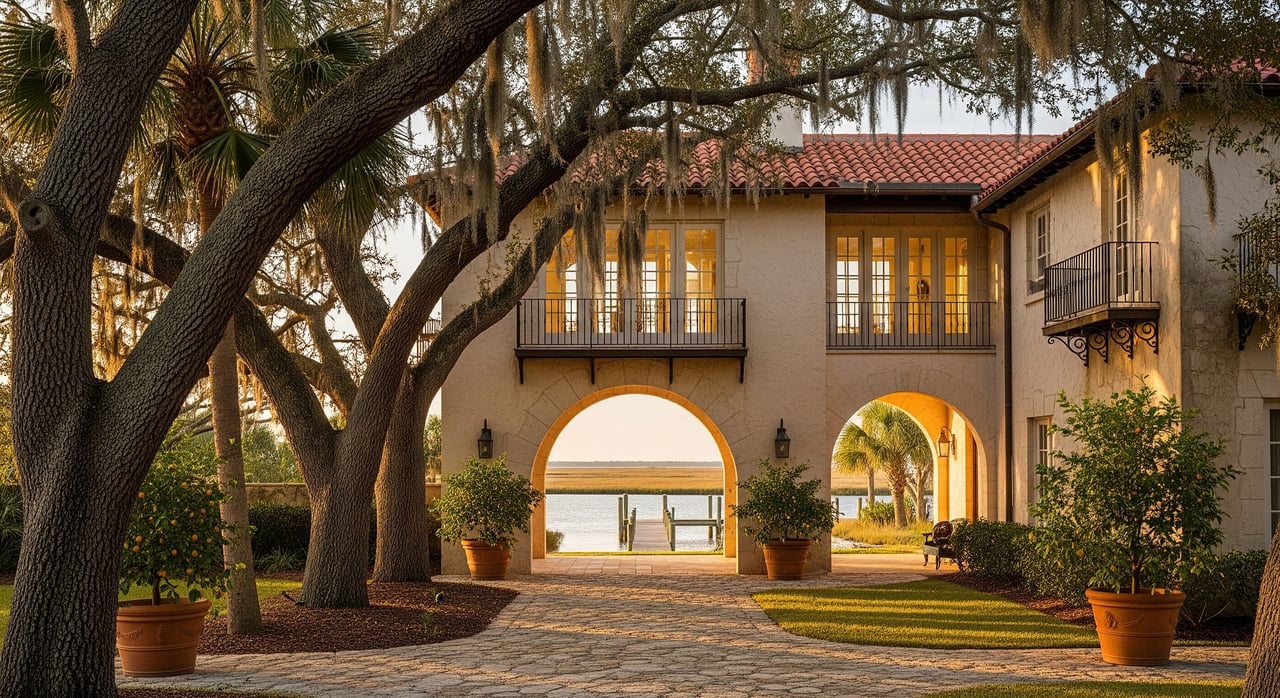
On the Matanzas River and connected waterways, homes range from canal cottages to larger estates with docks. Many properties have seawalls and boat lifts. Check tidal impacts, dock and seawall condition, and flood insurance needs. Review local rules on mooring, boathouses, and waterfront improvements.
Suburban and master-planned communities
Areas like Nocatee, World Golf Village, and parts of Ponte Vedra offer newer construction, parks, trails, and community amenities. You’ll find single-family homes and townhomes, often with HOA and Community Development Districts (CDDs) that fund infrastructure and amenities. Families value the newer homes, neighborhood amenities, and relative value compared with beachfront or historic areas.
Golf-course and luxury enclaves
High-end neighborhoods in Ponte Vedra and World Golf Village feature custom homes, larger lots, and access to golf or country-club amenities. Purchase prices and association or club fees are typically higher. These areas suit buyers who want privacy, space, and a resort-style setting.
Commutes and getting around
Daily life is car-centric. US-1, SR A1A, SR 207, and I-95 are your main routes, and many residents commute by private vehicle. Traffic picks up during tourism season and special events, especially near downtown, the Bridge of Lions, and beach approaches. Public transit is limited, with local bus and paratransit options available. For air travel, Jacksonville International Airport serves the region, and the drive time depends on traffic and your starting point.
Schools and education basics
St. Johns County School District is regionally well-regarded, and you’ll find public and private K–12 options. School zoning can change as new neighborhoods grow. Verify current attendance boundaries for any property you’re considering and ask about potential redistricting.
Healthcare and everyday essentials
Flagler Health+ provides local hospital and medical services, with additional specialty care available in the Jacksonville area. Internet options vary by neighborhood, with newer master-planned communities more likely to have fiber. St. Johns County utilities serve many areas, while some fringe properties may be on septic or private wells.
Flood, insurance, and inspections
Much of the coast and intracoastal falls within FEMA-designated flood zones. If you’re financing and the home sits in a mapped flood zone, your lender will likely require flood insurance. Elevation certificates help insurers price policies. For underwriting, carriers look at elevation, construction type, mitigation features like impact windows, and prior claims. Order a full inspection package: standard home inspection, roof evaluation, termite and pest inspection, and mold or moisture checks, especially for older homes. Waterfront buyers should add seawall and dock inspections.
HOAs, CDDs, taxes, and fees
Many planned communities use HOAs to manage architectural standards, landscaping, parking, and amenities. CDDs are common in newer developments and fund infrastructure through assessments that are typically paid annually, sometimes on your property tax bill. Do thorough due diligence:
- Request HOA CC&Rs, current budgets, reserve studies, and meeting minutes.
- Confirm CDD assessment amount, term, and what it covers versus the HOA.
- Ask about special-assessment history, pending litigation, and any rental rules.
- Review title, survey, and flood-zone status during your contract period. For primary residences, Florida’s Homestead Exemption can reduce taxable value, and the Save Our Homes cap limits annual assessed-value increases on homesteaded properties.
Weekend lifestyle and recreation
Beaches, dunes, and trails are minutes away at Anastasia State Park, St. Augustine Beach, and Fort Matanzas. Boating and fishing are part of everyday life along the intracoastal and offshore, with marinas and community boat ramps nearby. Downtown offers historic sites like Castillo de San Marcos, architecture, galleries, and a busy events calendar, including holiday lights and festivals. Dining ranges from casual seafood to upscale spots, while larger shopping options sit in suburban corridors and master-planned areas. Golf opportunities span private clubs to community courses, and youth activities include sports leagues and boating instruction.
Tips for executive relocations
If you expect frequent business travel, consider proximity to I-95 and typical drive times to Jacksonville International Airport. Newer communities often have stronger internet options, which matters for hybrid work. Ask your agent to measure commute windows from specific addresses to your office and to JAX during typical traffic periods.
Smart move checklist
Use this short list to stay organized:
- Confirm FEMA flood zone and request the elevation certificate.
- Get insurance quotes for homeowners, wind, and flood coverage.
- Order full inspections, including roof, termite, moisture, and seawall or dock if applicable.
- Verify HOA rules, dues, budgets, and any upcoming special assessments.
- Confirm CDD existence, annual amount, and remaining term.
- Check utilities, including water, sewer or septic, and internet availability.
- Verify school zoning and ask about potential redistricting.
- Map commute routes and typical drive times.
Work with a local advisor
Choosing the right neighborhood, budgeting for ownership costs, and navigating HOAs and CDDs can feel complex. With the right guidance, you can match your lifestyle with the best value and enjoy the Old City from day one. If you’re ready to explore homes and compare areas side by side, schedule a free consultation with Jean Pickett for tailored advice and a smooth move to St. Augustine.
FAQs
What should I know about flood risk in St. Augustine?
- Much coastal and intracoastal property is in FEMA flood zones, so confirm the zone, request the elevation certificate, and budget for flood insurance if required.
How long is the drive to Jacksonville International Airport?
- Drive times vary by neighborhood and traffic; ask your agent to time the route from your specific address during typical weekday windows.
What are HOAs and CDDs in newer communities?
- HOAs manage rules and amenities through dues, while CDDs fund infrastructure via annual assessments that are separate from HOA fees and may appear on tax bills.
Which inspections are essential for beach or waterfront homes?
- In addition to a standard home inspection, order roof, termite, and moisture checks, plus seawall and dock inspections for waterfront properties.
How do Florida’s homestead provisions affect my taxes?
- If the property is your primary residence, the Homestead Exemption can reduce taxable value, and the Save Our Homes cap limits annual assessed-value increases.
Is public transit realistic for daily commuting in St. Augustine?
- Public transit is limited, so most residents rely on cars for daily commuting, with buses and paratransit available for specific needs.
How do historic district rules affect renovations downtown?
- Exterior changes in the Historic Core typically require approval through the city’s preservation process, which can affect renovation timelines and design choices.